Bulk Gifting to 50+ Recipients: What Actually Breaks (and How to Avoid It)
Published 25 April 2026
Bulk Corporate Gifts in Singapore: The Real Failure Points at Scale
An inside look at why large gifting projects go wrong, from a team that has produced over 100,000 personalised items.
Sending bulk corporate gifts in Singapore seems straightforward until you cross the 50-recipient threshold. Beyond this point, manual processes involving spreadsheets, emails, and WhatsApp messages begin to break down in subtle but critical ways. The most common failures are not in choosing the gift, but in the execution of data management, production consistency, and delivery logistics.
You’ve seen it before. The frantic last-minute calls about a misspelled name on an executive's gift. The sinking feeling when half the team receives a tumbler with the logo printed slightly off-centre. The administrative nightmare of tracking 75 separate deliveries to 75 different homes. These aren't isolated incidents; they are symptoms of a system pushed beyond its limits. Having personally overseen the production of over 100,000 personalised items, we know exactly where the cracks appear.
Key Takeaways
- Manual gifting processes, reliant on spreadsheets and email, are prone to data errors, production inconsistencies, and logistical failures when scaled.
- Data integrity is the first point of failure. Typos in names and addresses from manual re-entry are common and costly.
- Production at scale introduces subtle variations in printing and engraving that can affect brand consistency if not managed systemically.
- Coordinating multi-recipient, multi-address deliveries is a significant administrative burden that requires an automated, platform-based solution.
- A centralised gifting platform provides a single source of truth, eliminating manual errors and providing visibility across the entire process.
In This Article

The entire gifting process is built on a foundation of data: names, addresses, and personalisation details. For large order corporate gifts, the spreadsheet is the default tool. It’s also the single biggest point of failure. Every time data is manually copied, re-typed, or sent as an attachment, the risk of error multiplies.
The "Re-Typing" Error
You send your list of 100 names to a supplier. An employee at the supplier then manually re-types each name into their production software. "Jonathan" becomes "Jonathon." "Priya" becomes "Pria." The mistake is only discovered after 100 mugs have been printed, and the goodwill you intended to create turns into an awkward apology.
The Address Anomaly
Your master spreadsheet contains a mix of office and home addresses. A last-minute change for one recipient (who is now working from home) is made in one version of the file but not the one sent to the delivery company. The gift is sent to an empty office, causing delays and additional redelivery fees.
The Version Control Nightmare
Three different people on your team—HR, Marketing, and Admin—are working on the recipient list. Multiple versions of the Excel file exist (`Final_List_v2.xlsx`, `Final_List_v2_JaneEdits.xlsx`, `FINAL_FINAL.xlsx`). The wrong one is sent for production, and 20 people who left the company six months ago are included in the order.
These issues arise because a spreadsheet is a static document, not a dynamic system. There is no single source of truth. A modern gifting platform solves this by centralising data. You upload an address list once, it's stored in a contact book. You paste a list of names for personalisation directly, eliminating the re-typing step entirely. The data entered by you is the exact data sent to the production machines.
Production Pitfalls: The Inconsistencies You Don't See
Once the data is locked, the physical production begins. When you're making one or two items, quality control is simple. When you're producing hundreds of bulk personalised gifts, maintaining consistency is a complex manufacturing challenge. As a team that comes from a production background, we've seen every type of small inconsistency that, when multiplied by 100, becomes a major brand issues.
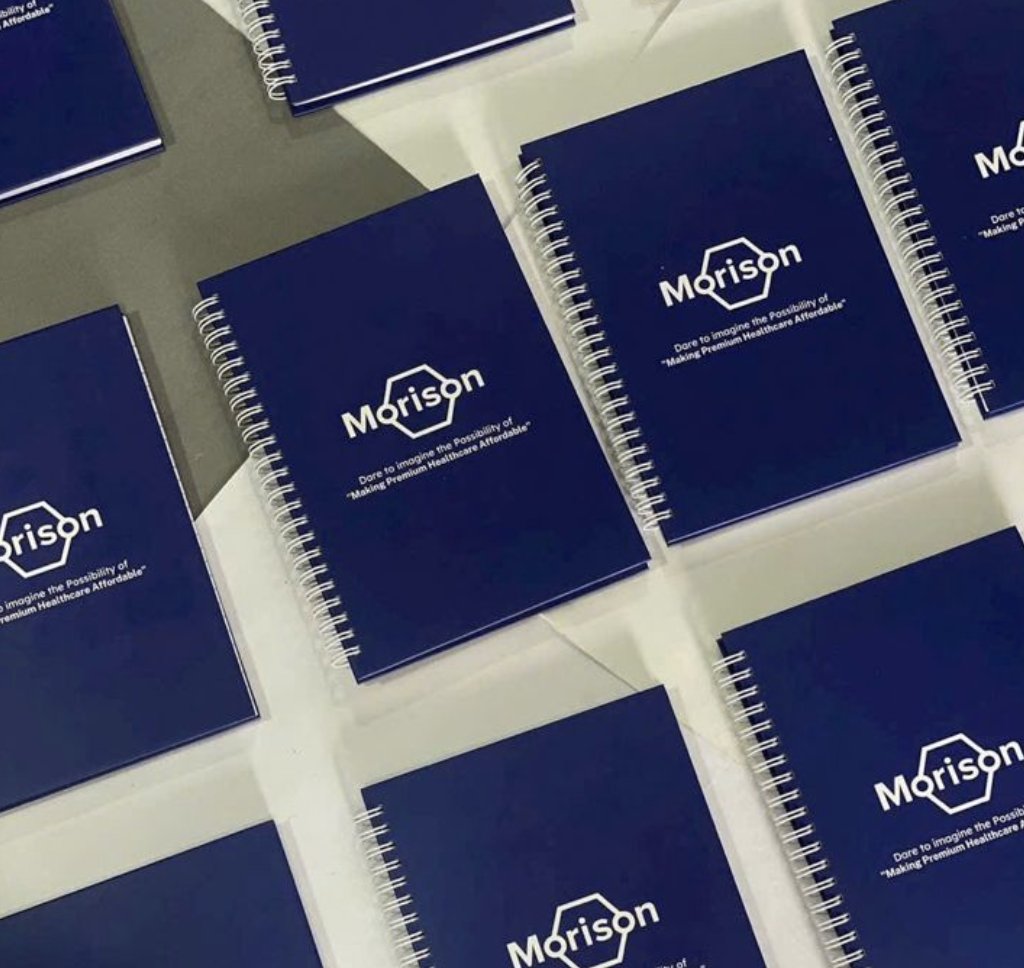
- Colour Drift in UV Printing: A full-colour logo might look perfect on the first 20 items. But over a long production run, minor variations in ink levels or curing lamp temperature can cause a slight colour shift. The blue in your logo on item #1 might be a fraction of a shade different from item #90. A calibrated, system-driven process minimises this.
- Engraving Depth Variation: On a batch of 150 metal pens, is the laser engraving depth identical on every single one? Manual setups can lead to some logos looking faint and others looking too deep. An automated workflow ensures the laser settings are precisely replicated for every unit.
- Alignment Accuracy: Personalising each item with a unique name is a huge logistical task. If an operator is manually placing each of 120 tumblers into a printing jig, the potential for a name to be slightly crooked or off-centre is high. A visual personalisation editor on a platform ensures the alignment you see on screen is what gets produced, locking in the coordinates for every item.
These aren't hypothetical problems. They are the daily realities of high-volume personalisation. The solution isn't just a better machine; it's a better workflow. A system that translates a customer's digital design directly into machine instructions without manual interpretation is the only way to guarantee consistency when you scale corporate gifting.
Logistical Nightmares: The Chaos of Multi-Address Delivery
The final hurdle is getting every gift to the right person, at the right place, at the right time. For a large company in Singapore, this could mean coordinating deliveries to 50, 100, or even 500 individual home addresses. The administrative overhead of this task is staggering.
Manually managing this involves creating labels, booking couriers one by one, and tracking dozens of unique consignment numbers in yet another spreadsheet. When a delivery fails because someone wasn't home, you are the one who has to follow up, rearrange, and absorb the potential redelivery cost. What if you need some gifts to arrive for an online event on Tuesday, but others for a department celebration on Friday? The complexity spirals out of control.
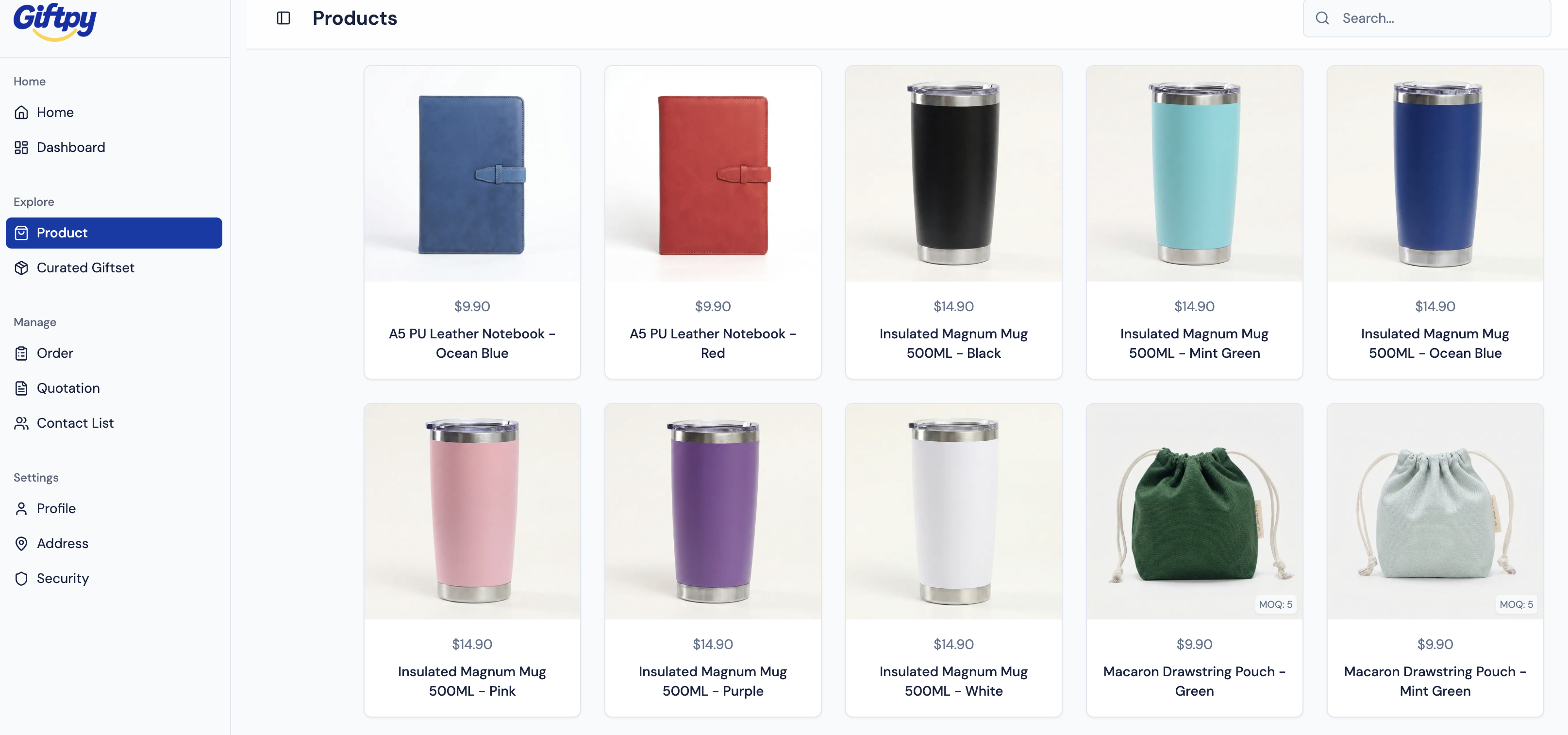
This is where a purpose-built platform becomes indispensable. Features like multi-recipient checkout, where you can upload a single Excel file with all addresses, are fundamental. The ability to set different, scheduled delivery dates for different recipients in a single order turns a week of administrative work into a few clicks. The platform handles the booking, tracking, and status updates, giving you a centralised dashboard to see the status of every single gift.
How a Platform Approach Solves Corporate Gifting at Scale
The common thread through all these failure points is the breakdown of manual, fragmented processes. The solution is a single, integrated platform that serves as the central source of truth for the entire campaign.
| Challenge at Scale | Manual (Spreadsheet) Approach | Platform-Based Approach |
|---|---|---|
| Data Management | Multiple file versions, risk of copy-paste and re-typing errors. | Single source of truth. Direct data input (e.g., paste names, upload address file) eliminates manual entry. |
| Design & Personalisation | Back-and-forth emails with proofs. High risk of misinterpretation. | Live visual editor. What you see is what you get. Personalisation rules are locked in. |
| Production Consistency | Relies on operator skill and manual setup for each batch. Prone to variation. | Digital design files translate directly to machine instructions, ensuring high fidelity and consistency. |
| Logistics & Delivery | Manual booking and tracking of individual shipments. High administrative overhead. | Automated multi-recipient checkout, scheduled delivery, and a central dashboard for tracking all shipments. |
| Approvals & Quotes | Manually creating quotes and sending PDFs for management approval. | Auto-generated quotations directly from your cart, streamlining internal procurement workflows. |
A platform isn't just about convenience; it's about de-risking the entire process. It enforces a structured workflow that prevents the most common and costly mistakes associated with ordering bulk corporate gifts in Singapore. It saves hours of coordination and provides the confidence that your campaign will be executed exactly as planned.
Checklist for Your Next Large Corporate Gift Order
Before you place your next order of 50+ gifts, use this checklist to assess your process and your supplier's capabilities. It will help you avoid the pitfalls and ensure a successful campaign.
- Is there a single source of truth for data? Avoid sending editable spreadsheets. Does the supplier have a portal or system where you can upload and finalise recipient lists?
- How is per-item personalisation handled? Ask if you can input individual names directly into a system. Avoid suppliers who need to manually re-type names from a list.
- Can you see a digital proof for every variation? For individual name personalisations, a platform with a live preview feature is superior to a single PDF proof of a template.
- Does the workflow support multi-address, multi-date delivery? Confirm if you can manage shipments to many addresses on different dates within a single order and a single payment.
- Is there a centralised dashboard for tracking? You need one place to see the status of every gift, from production to "delivered," without chasing multiple tracking numbers.
- Can you generate an official quotation automatically? A system that creates a quote from your cart saves time and fits corporate procurement processes better than manual requests.
Successfully executing a large corporate gifting campaign is a reflection of your company's attention to detail and appreciation for its people. By moving away from brittle, manual methods and adopting a platform-based approach, you can focus on the sentiment behind the gift, not the logistical headaches of sending it.
Frequently Asked Questions
How do you ensure every personalised name is spelled correctly on a large order?
The best approach is to eliminate manual data entry. A platform like GiftPy allows you to paste a list of names directly into a personalisation field, with each name applied to an individual item. This removes the risk of a supplier re-typing names from a spreadsheet and introducing errors.
What is a realistic lead time for a bulk personalised gift order in Singapore?
For in-stock items, a typical lead time for bulk personalised gifts is 3-5 business days. For larger quantities requiring pre-orders or for virtual products produced on-demand, lead times can extend significantly. Always confirm stock status and production timelines with your provider before committing to a deadline.
Can I send bulk gifts to different addresses on different dates?
Yes, modern gifting platforms are built for this. With GiftPy, you can upload an Excel file with recipient addresses and assign a unique, scheduled delivery date for each person during a single checkout. This automates the complex logistics of multi-recipient, multi-date campaigns.
Ready to Scale Your Gifting, Not Your Headaches?
Explore a platform built by manufacturers to solve the real-world challenges of corporate gifting. Design, personalise, and deliver—all in one place.
Discover the Platform